in India

45 million people with access to safe water or sanitation

$86,200 of $35,100 Raised

Donate Now
50%
img

Access to safe drinking water and sanitation isn’t just a basic service — it’s a foundation for health, dignity, education, and economic opportunity. Without it, families face daily challenges: waterborne diseases, lost school hours, and time-draining water collection routines that most affect women and children.

The Challenge in India Hundreds of millions of people in India still lack access to safe water and proper sanitation. For example, 342 million people lack safe water, and 539 million lack access to a safe toilet. These gaps contribute to preventable disease and inequality across rural and urban communities. While India has made impressive strides under national initiatives like the Swachh Bharat Mission and Jal Jeevan Mission, gaps remain in safe water supply and sanitation, especially in underserved regions.
We Need
We Need
We Need
We Need
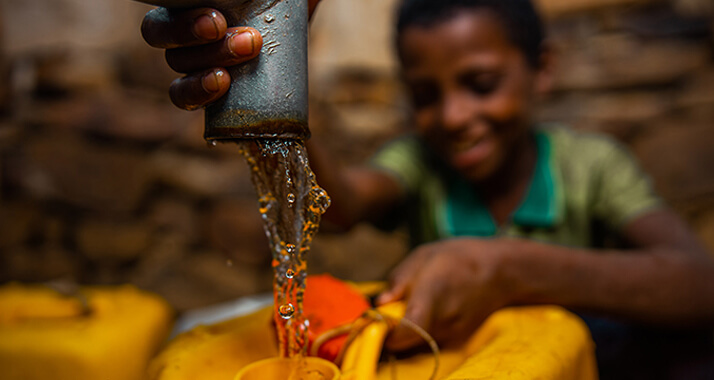
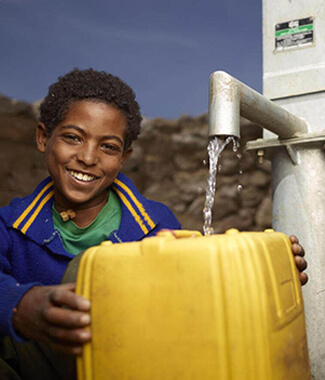
45 Million People Empowered with Safe Water & Sanitation Organizations working across India — including global partners like Water.org — have contributed to improving access for tens of millions of people by connecting households with the tools, infrastructure, and financing they need to secure safe water and sanitation. Millions of lives have already been transformed through affordable financing and community-based solutions that bring taps, toilets, and clean water closer to home.
  • This figure — 45 million people with access to safe water or improved sanitation — reflects the scale of impact possible when NGOs, governments, and communities work together.
  • Each person gaining safe water means fewer waterborne illnesses, better school attendance, stronger local economies, and more time for women and girls to pursue education and work.
  • Why Progress Still Matters
  • Improved water and sanitation significantly reduce preventable disease and child mortality.
  • Safe water access supports nutrition, schooling, and gender equality, as women and girls spend less time collecting water and more time on education or income-earning activities.
img